A Problem, a Pipe, and an Old Solution
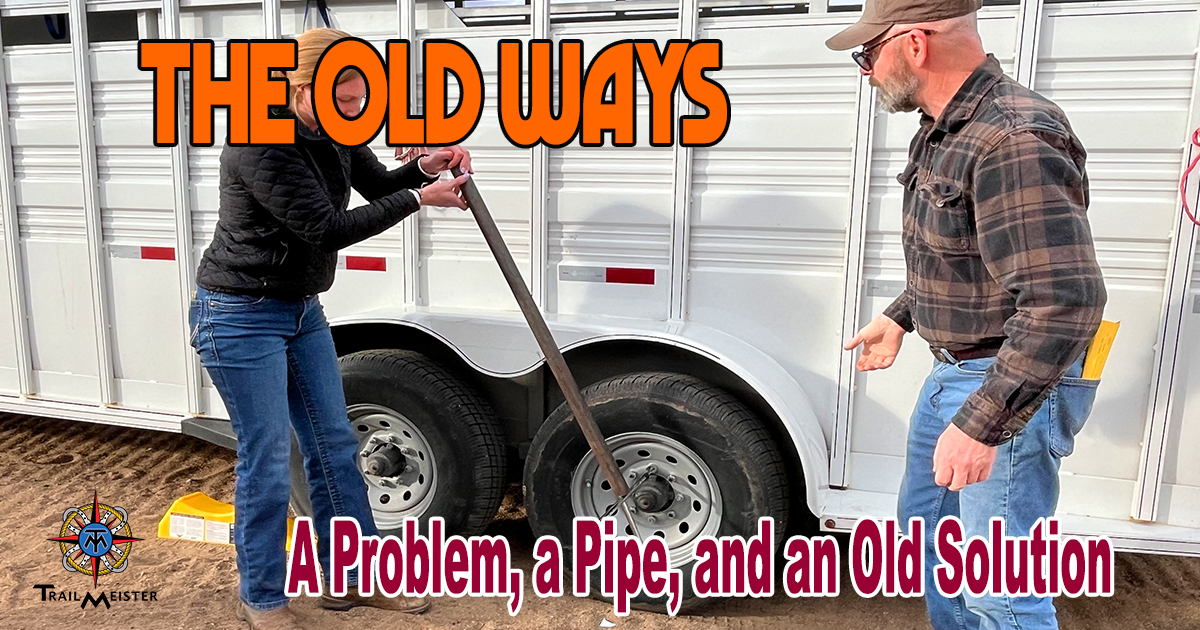
I was getting ready for a trailer safety clinic when I found myself cutting an 8-foot pipe down to 4 feet with an angle grinder. It wasn’t decorative. It was a tire persuader.
Anyone who has fought a stuck lug nut knows there comes a point where you start to swear. Yes, there are cordless impact wrenches with sleek cases, lithium batteries, and price tags in the hundreds. They are useful tools. I own them and I use them. But when a tire decides it no longer wants to participate in your travel plans, one of the most effective solutions is still a rusty piece of pipe that lives in my trailer and a little help from a Greek mathematician who figured out leverage over two thousand years ago.
Archimedes may not have hauled a horse trailer, but he understood the principle just fine.
That got me thinking about how many old methods I still use without giving them much thought. They aren’t necessarily better because they’re old, but some have stuck around simply because they continue to do the job.
Some Skills Have Been Around a Long Time
I didn’t have to look too far for another example.
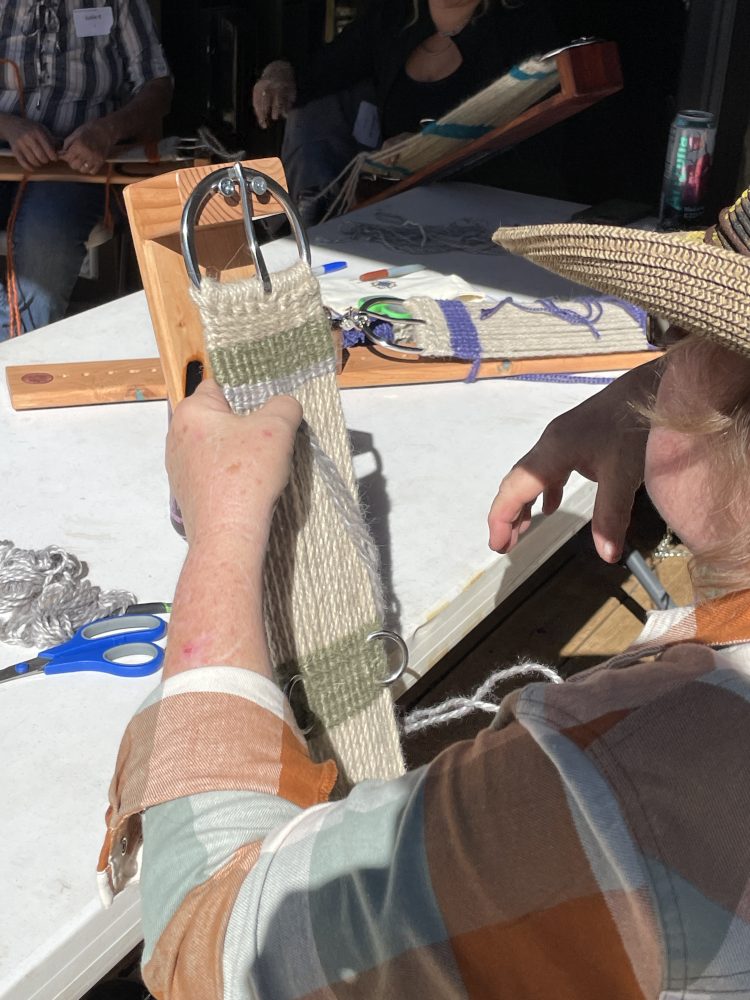
In my cinch clinics, I teach people how to build woven mohair cinches by hand. It’s a practical skill that’s still useful now, but its roots reach back far deeper than most folks realize. Variations of cordage, weaving, and fiber work trace back to the Paleolithic period. Humans were twisting fibers together and making useful things by hand long before anyone thought to plug in a charger or update a software package.
The materials and tools have changed, but much of what we do with them hasn’t. People figured out a long time ago how to use leverage, tie knots, twist fibers, and make equipment that solved the problems in front of them. We’ve refined those ideas over the years, but we haven’t necessarily replaced them.
Horsemanship is much the same. Timing, feel, release, consistency, calm hands, and a watchful eye have been around a lot longer than any of us. None of it is flashy, and you can’t download it. You learn it by working with horses and mules, making mistakes, paying attention, and hopefully getting a little better the next time.
What You Know Matters in the Backcountry
The same is true on the trail and in camp. When something goes wrong in the high country, you most likely won’t be able to outsource the solution. No service truck is coming up the valley, and FedEx isn’t overnighting a replacement part to your campfire. You have what you brought with you and whatever skills you brought along with it.
That’s one of the reasons I spend so much time talking about preparation. Good equipment certainly helps, but knowing how to use what you have, improvise when necessary, and recognize a small problem before it becomes a large one can make a tremendous difference.
Putting the Old Ways to Work
I’ll be teaching a lot of those skills this spring at the Back Country Horsemen of Oregon Rendezvous in Sisters. We’ll be camping in the forest for several days, working through trailer safety, cinch building, and the kinds of practical skills that tend to get overlooked until they’re needed. It’s one thing to talk about these things in a parking lot. It’s another to use them for a few days with horses, mules, and the rhythm of camp life.
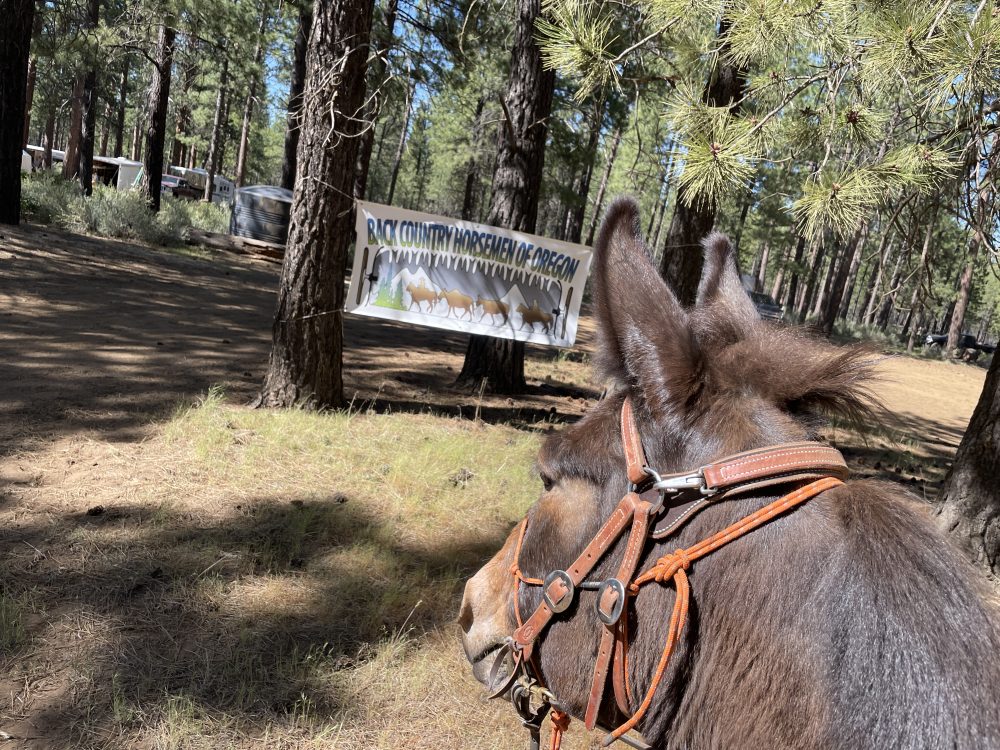
In that setting, a lot of supposedly old-fashioned skills suddenly seem pretty current. A properly tied knot secures a horse. A cinch you’ve made yourself teaches you a great deal about how that piece of equipment works and fits. Knowing how to inspect your gear or make a small repair can keep a minor inconvenience from changing the rest of your trip.
Old Doesn’t Automatically Mean Better
None of this means I want to turn back the clock. Modern trucks outperform vintage models. Better materials have improved much of our equipment, and reliable modern tools have earned their place in my truck and trailer. Synthetic rope has replaced hemp on my highline, but the prusik knot holding it is a very old idea.
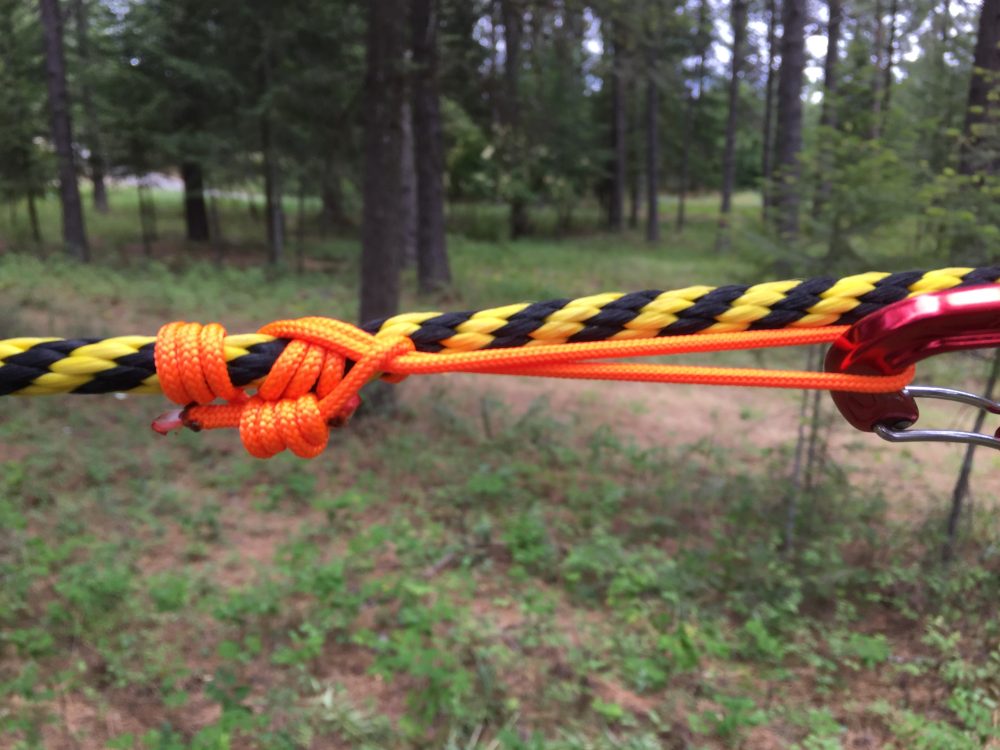
I think that’s the distinction I’ve been circling around.
I’m not particularly interested in doing something the old way simply because that’s how Grandpa did it. I’m interested in knowing why he did it that way and whether it still makes sense. Sometimes we’ve developed something much better and I’m happy to use it. Other times that rusty length of pipe rattling around in my trailer is exactly the tool I need.
And I’d much rather know how to use it than stand beside a flat tire wishing my battery-powered impact wrench had a little more enthusiasm.
Learn the Skills Behind the Gear
For more information on trail riding and horse camping with horses, as well as the world’s largest guide to places to ride and camp, visit TrailMeister.com. And check out my books, including The ABCs of Trail Riding and Horse Camping and my newest, Going Is Optional. Stopping Is Not., a practical guide to horse trailer safety and towing.