In between expos lately, I’ve been reading biographies of famous explorers.
History remembers Ernest Shackleton as one of the greats. His name conjures images of ice, hunger, hardship, and hanging on when things go south. His Antarctic expeditions became legend because nearly everything went wrong, and he still brought most of his men home alive. Far fewer people talk about Roald Amundsen. Amundsen reached the South Pole first. He studied snow, dogs, and clothing long before he left home. He learned from people who understood cold environments, chose useful gear, planned carefully, and came home with little fuss. By most measures, he was the better expedition leader. But Shackleton gave us the better story. If that sounds familiar, it should. Horse people often reward wrecks the same way.
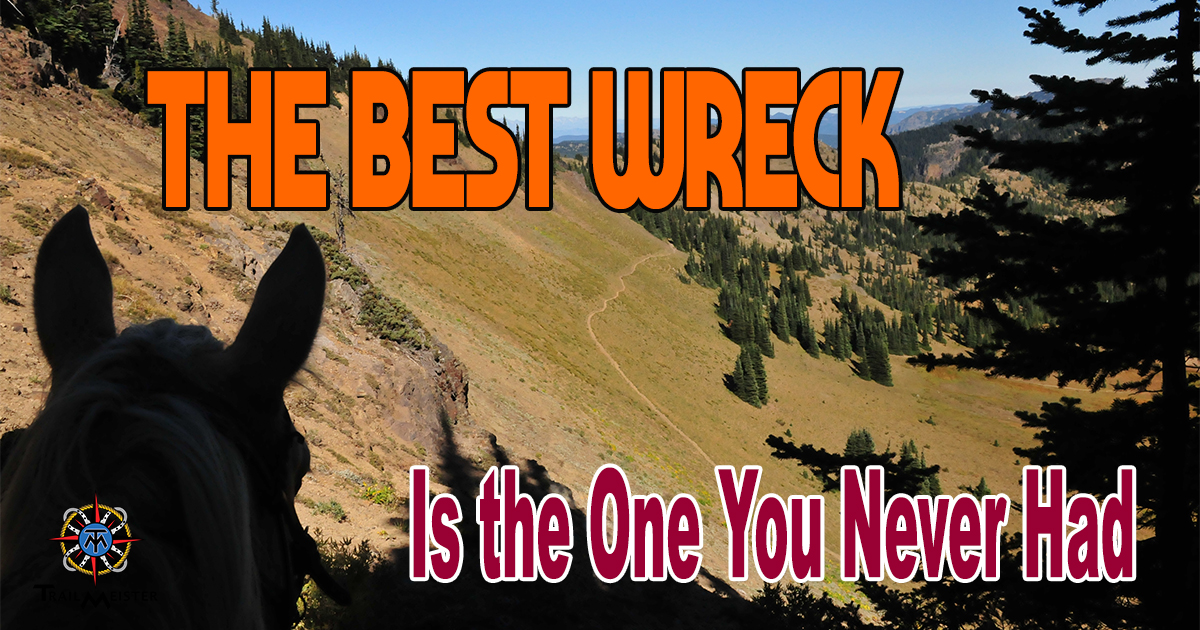
There’s an old saying: A clever person solves a problem. A wise person avoids it in the first place. It’s often attributed to Albert Einstein, though it’s probably just an aphorism wearing a famous name. I like it nonetheless. Another way to say it might be this: skill fixes trouble; judgment keeps it from starting. Or, in language horse people understand, the best wreck is the one you never had.
Safe Horse Hauling Starts Before the Trailer Moves
Nobody gathers around a campfire to hear the thrilling tale of checked tires, a snug cinch, quiet loading, and everyone rolling home with all bones intact. Yet that is success. A good trip often sounds like this: horses grazed in the meadow, people slept warm, the trailer lights worked, coffee boiled at dawn, the camp was quiet, and everyone came home smiling. No runaway stock. No bridle tied together with baling twine and salty language, and no emergency vet call because someone missed what the horse had been saying all day.
In short, nothing happened. Smooth miles are usually earned long before the truck leaves the driveway.
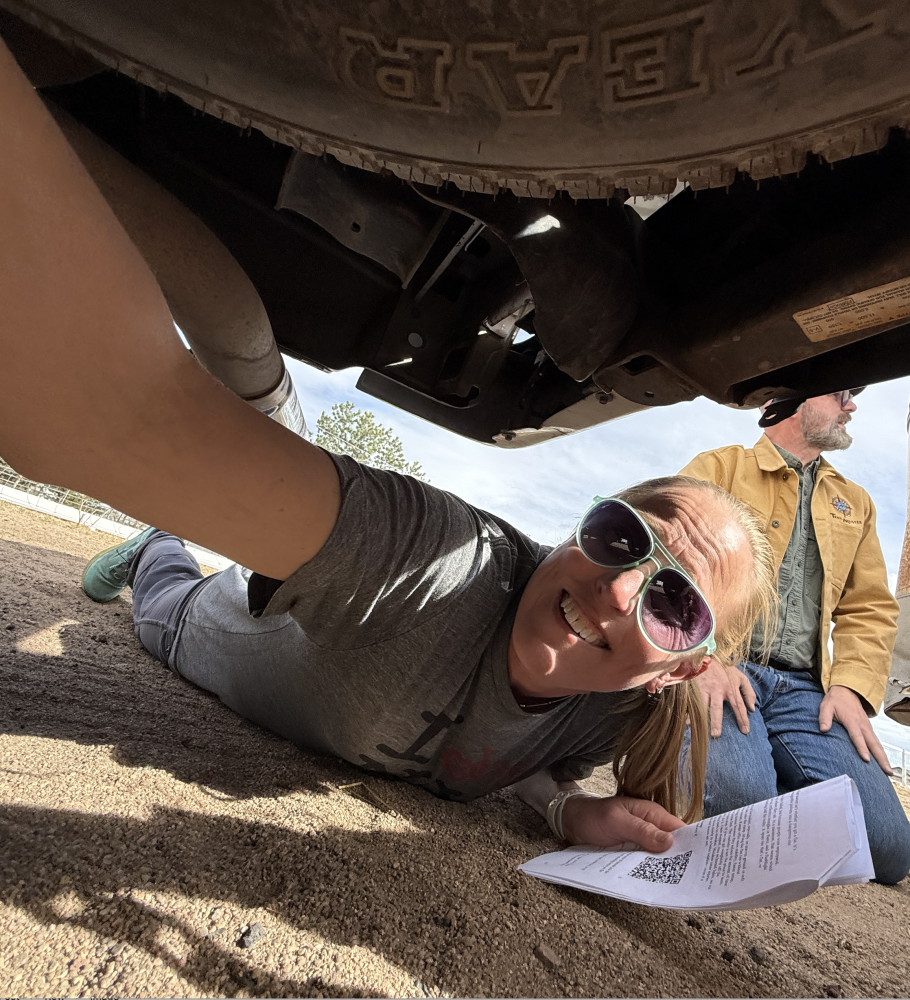
They are earned when you grease bearings in the barn instead of beside the road. They are earned when you teach a horse to load during a slow afternoon instead of in a thunderstorm on departure day. Earned when you check cinches, look at shoes, and watch the weather. And earned when you turn back early instead of pressing on to prove a point no mule cares about.
However, even the best plans eventually meet real life. Luck still exists, and even careful people can find rain, mud, loose rock, or chance waiting around the next bend. I’ve learned plenty on trips that went sideways, whether I wanted the lesson or not. Trouble teaches lessons that comfort usually skips.
Good Horsemanship Is Often Quiet
Good horsemen often look unimpressive because they fix things early and quietly, sometimes before anyone else notices. They see the loose shoe before the horse goes lame. They turn back before lightning climbs the ridge. Good horsemen spot the frayed rope before it parts, and inspect the trailer floor before a hoof goes through it. That kind of judgment makes poor storytelling, but it makes for sound horses and safe miles.
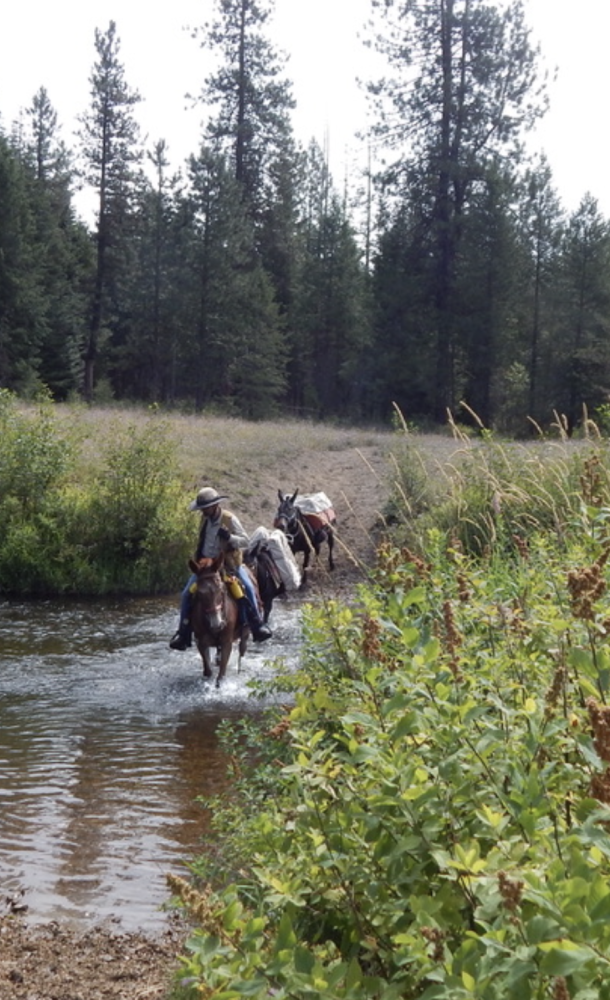
The veteran trail horse that loads willingly, crosses water calmly and stands well when tied may not look exciting. Ruger, my good red mule, wasn’t always that way. He was built one ride, one correction, and one wet saddle blanket at a time. There is more greatness in that animal than in any dramatic wreck.
These days, I prefer trips worth repeating: the horses eat, coffee tastes good, camp settles before dark, and the trailer gets us home without fuss. No movie will be made, but I suspect Roald Amundsen would approve.
For more on safer hauling, better trail rides, and horse camping done well, visit TrailMeister.com.