

10 Things to Check Before Spring
Winter may not find many of us hauling horses down the highway, but that doesn’t mean we should forget the trailer until the first spring ride. In fact, winter is one of the best times to inspect our horse trailers.
You’re not rushing to load horses. You’re not trying to get to the trailhead before everyone else. The trailer is sitting still, so this is a great time to crawl over, under, and through it.
Here are ten places to start.
1. Pull the Mats
Yes, it’s a pain in the rear, but inspecting the floor is an important job your horse is counting on you to do.
Urine, manure, and water inevitably find their way under floor mats. Pulling the mats lets you clean everything thoroughly and, more importantly, inspect the floor.
With wood floors, probe suspicious areas for softness, rot, or deterioration. With aluminum, look for corrosion, pitting, cracks, or damaged welds. Pay particular attention around seams, edges, and areas where moisture collects.
The best time to find a bad trailer floor is when no horse is standing on it. If you have permanent flooring, as I do, skip this step and move straight to #2.
2. Look Underneath
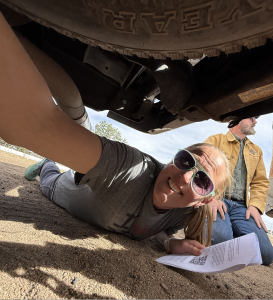
Now crawl underneath the trailer with a flashlight.
Look at the frame, crossmembers, welds, and underside of the floor. Surface rust on steel is one thing. Heavy scaling, cracks, bent components, broken welds, or significant corrosion deserve closer attention.
Also look for anything hanging down that shouldn’t be. Road debris can damage wiring and plumbing.
3. Check the Roof
Inspect roof seams, vents, windows, and other penetrations for cracked or deteriorated sealant. Inside the trailer, look for water stains, discoloration, dampness, or streaks that may indicate a leak.
Water can find its way through tiny openings, and a leak left unattended over the winter can turn into an expensive spring repair.
4. Inspect the Tires
Don’t stop at tread depth. Trailer tires often age out before they wear out.
Look for cracking, bulges, cuts, uneven wear, and other damage. Find the DOT date code and determine each tire’s actual age. Check the spare, too. A pristine-looking spare that has spent years hanging on the trailer is still old.
While you’re there, find the trailer’s tire placard and verify the manufacturer’s recommended tire size and inflation pressure.
5. Give the Wheels Some Attention
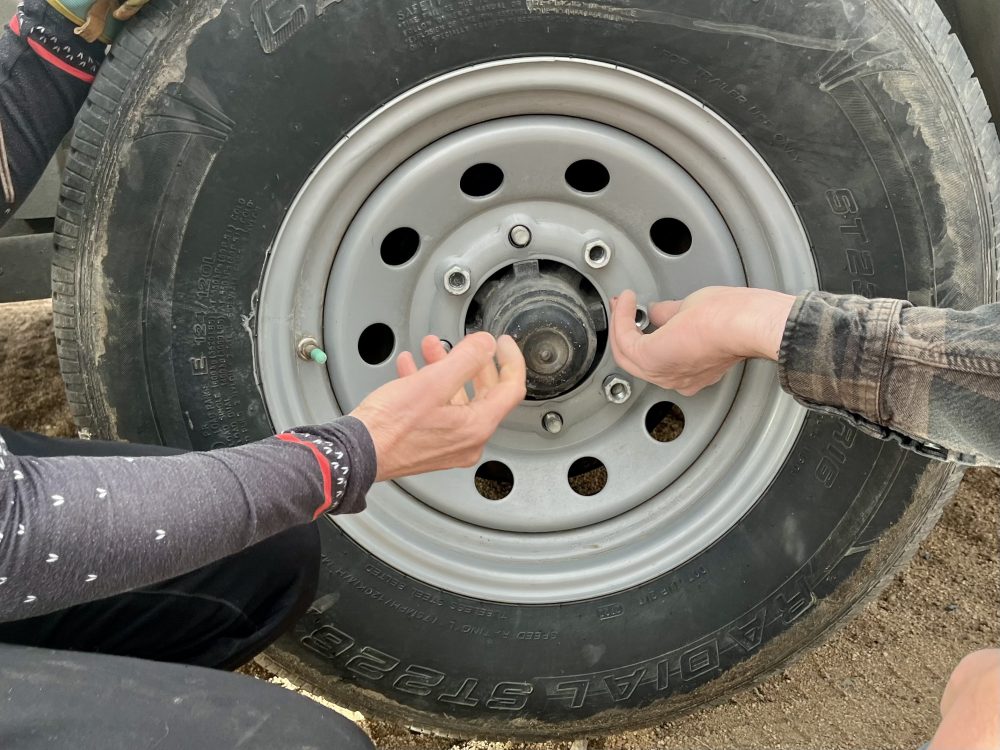
Check the wheels for cracks or damage, and look for missing, loose, or damaged lug nuts. Winter downtime is also a good opportunity to review when the wheel bearings were last serviced. If you don’t know, this is a good time to have them checked.
Bearings, brakes, and other running gear are good candidates for professional service if you’re not comfortable inspecting them yourself.
6. Inspect the Brakes
Don’t assume trailer brakes are working.
Look over visible wiring and connections for damage or corrosion. If you have the skills and equipment, inspect the brake components themselves. Otherwise, have a qualified shop do it.
When hauling season begins, test the brakes and brake controller before loading horses and heading down the highway.
7. Check the Breakaway System
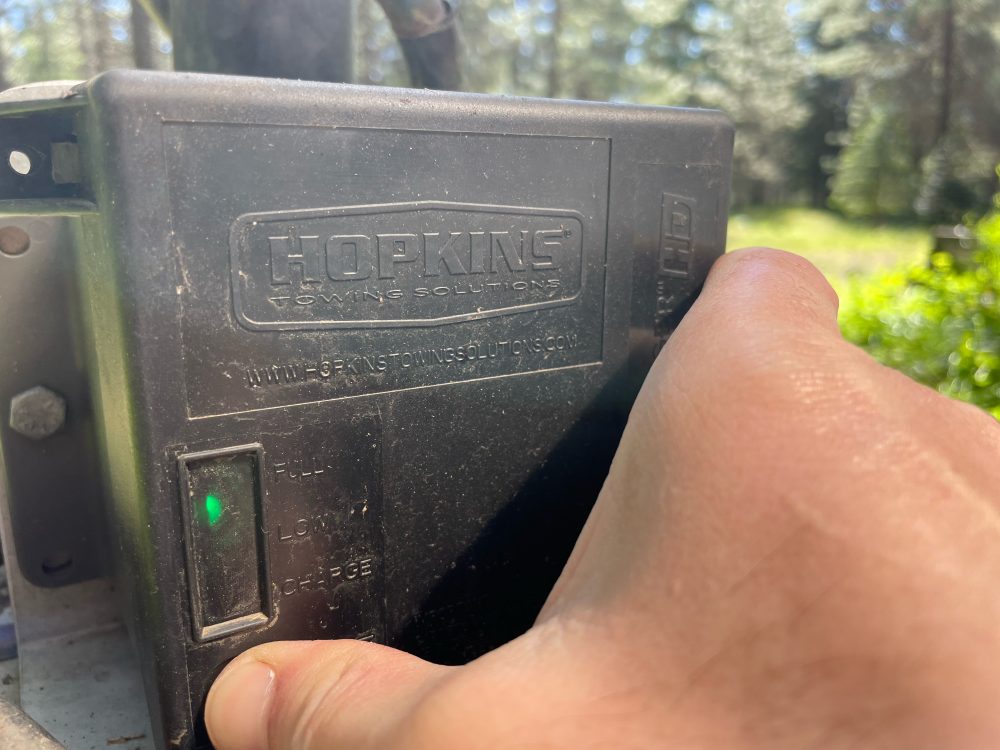
The breakaway system is designed to apply the trailer brakes if the trailer separates from the tow vehicle.
Inspect the cable, switch, wiring, and battery. Look for damage or corrosion, and make sure the battery can hold a charge. Follow the manufacturer’s instructions to test that the system applies the brakes.
8. Work Doors and Latches
Open and close everything. Check gates, doors, windows, dividers, and ramps. Lubricate hinges and moving parts where appropriate. Look for loose fasteners, sharp edges, damaged welds, or latches that don’t operate smoothly.
If something takes two hands and a shoulder shove, fix it before there’s an impatient horse involved.
9. Test the Electrical System
Connect the trailer to the tow vehicle and check running lights, brake lights, turn signals, interior lights, and electric brakes.
Look at the plug and receptacle for dirt and corrosion. Follow exposed wiring where you can, and watch for cracked insulation, loose connections, or wires rubbed against the frame.
10. Start a Trailer Notebook
Finaly, write down what you found.
Record tire ages and pressures, bearing service dates, brake work, repairs, battery replacements, and anything else you want to remember. A notebook kept in the tack room or truck can save a lot of guessing later.
Winter maintenance isn’t glamorous, and most of it won’t make for an exciting campfire story. The best trailer problem is the one you find while the trailer is parked.
For more on horse trailers and safe trailering, check out my book Going Is Optional. Stopping Is Not – A Horse Owner’s Guide to Safer Trailering, available on Amazon. You can also find the world’s largest guide to horse trails and camps, plus more of my ponderings, at TrailMeister.com.
Happy trails and safe travels.