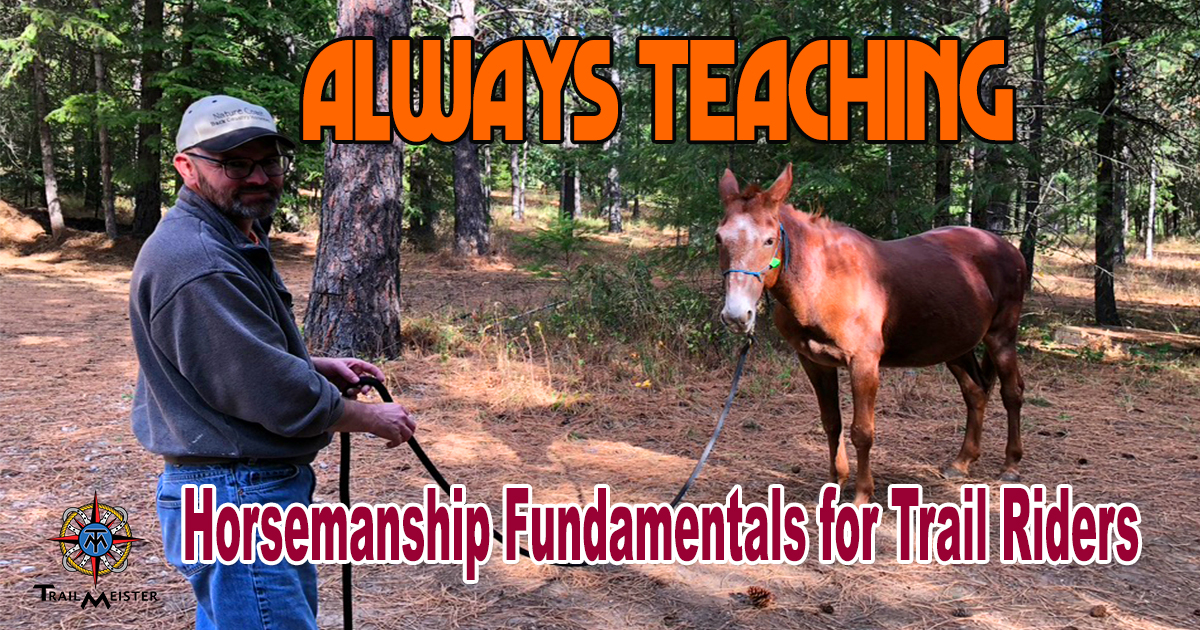
Horsemanship Fundamentals for Trail Riders
Quiet Work After the Clinics
I spent some time working with Ruger and the Bean after getting back from leading clinics in Kansas. Nothing flashy. No problems to solve. Just time, quiet hands, and animals doing what they already knew how to do. The kind of work that leaves room to think.
It reminded me how little daylight there is between good horsemanship, doing our own inner work, and old ideas about kind words and right actions. Different language. Same wiring. The fundamentals don’t change, whether you’re talking about life or horse training principles that hold up outside the arena.
How Change Actually Happens
Good therapy isn’t complicated. It’s hard work, done over time. Change how you think and what you do, and your feelings begin to change. You don’t wait to feel better before acting better. You act better first. The feelings catch up later.
Some Eastern traditions put it another way. Choose your words and actions carefully, and suffering eases. Not because life stops being difficult, but because you stop making it harder than it already is.
Horse training figured this out long ago. It just never bothered to name it. Long before anyone talked about mindset, old horsemen understood the basics of calm horse training and rider responsibility.
What You Bring Shapes the Outcome
In horse terms, it’s simple. What you bring to the interaction shapes how the animal feels. How the animal feels shapes how it responds. And those responses, repeated over time, become the partnership you live with.
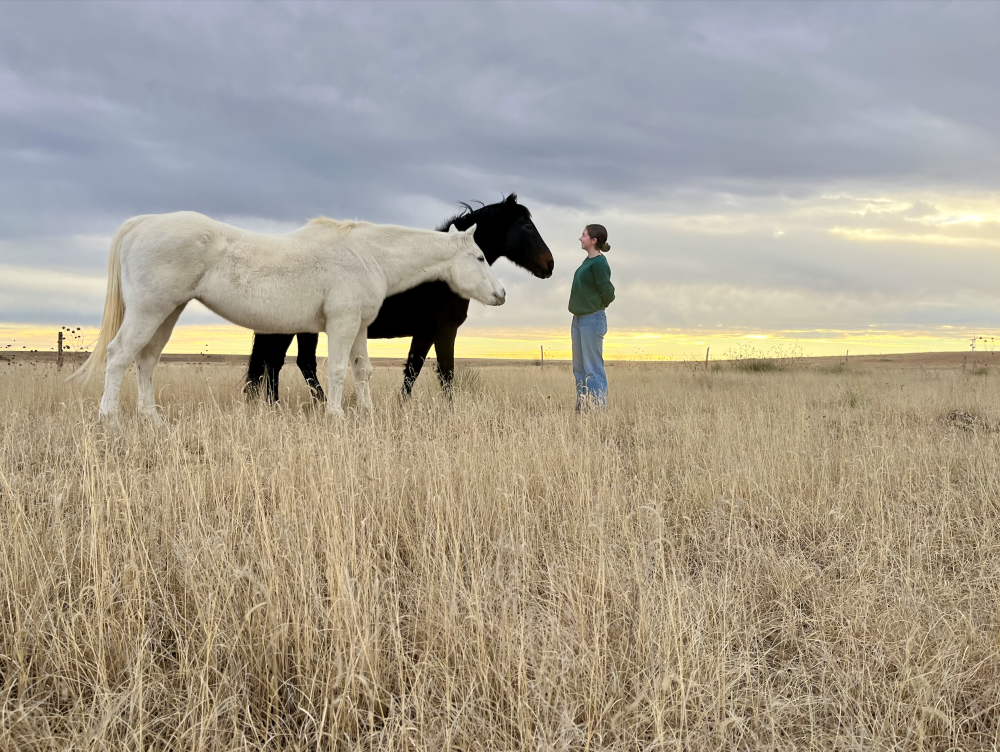
Photo by Carol von Michaelis
This is one of the most overlooked horsemanship fundamentals. Rider behavior affects horses far more than most people want to admit.
Old horsemen didn’t talk about mindfulness. They said pay attention.
They didn’t talk about emotional regulation. They said don’t rush.
They didn’t talk about trauma or triggers. They said leave your temper at the gate.
They knew that clarity beats force. Timing beats volume. Consistency builds trust. These are practical horse training principles, not theory.
Horsemanship Is Built, Not Discovered
Good horsemanship isn’t magic. It’s built one decision at a time.
That’s true whether you’re working with a horse, a mule, or yourself. Trail horse training follows the same rules as arena work, but with fewer safety nets and more consequences.
Stay with what’s happening right now. Horses never leave the present. We do it constantly. We replay yesterday’s mistake. We borrow trouble from tomorrow. Then we wonder why our timing is off.
Presence isn’t spiritual. It’s practical. You can’t release pressure at the right moment if your mind isn’t there.
Why Stress Stops Learning
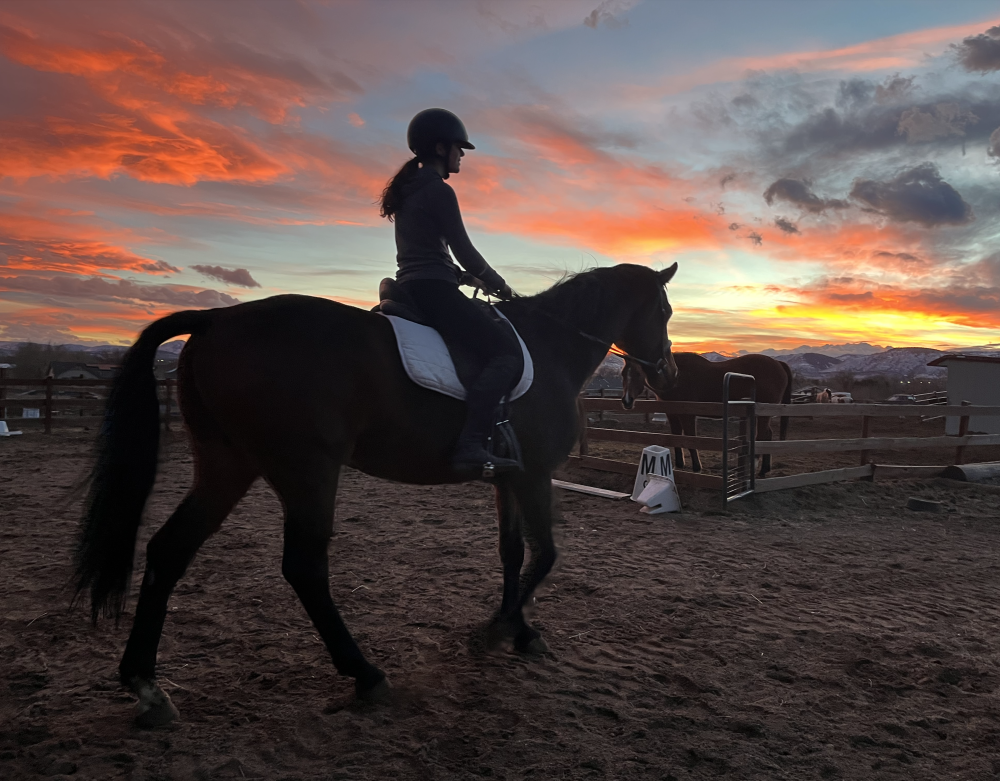
Photo by Carol von Michaelis
Reduce unnecessary stress. Stress narrows vision in horses and in people. When pressure comes too fast or without clear purpose, learning stops.
This is where many trail horse behavior problems begin.
Resistance is often confusion.
Defiance is often self-protection.
Understanding stress and horse behavior is key to training without force.
Good trainers know when to ask, and when it’s time to tell.
Progress Happens Slowly, On Purpose
Change things slowly and on purpose. Horses don’t learn from explanations. They learn from repetition. People are no different.
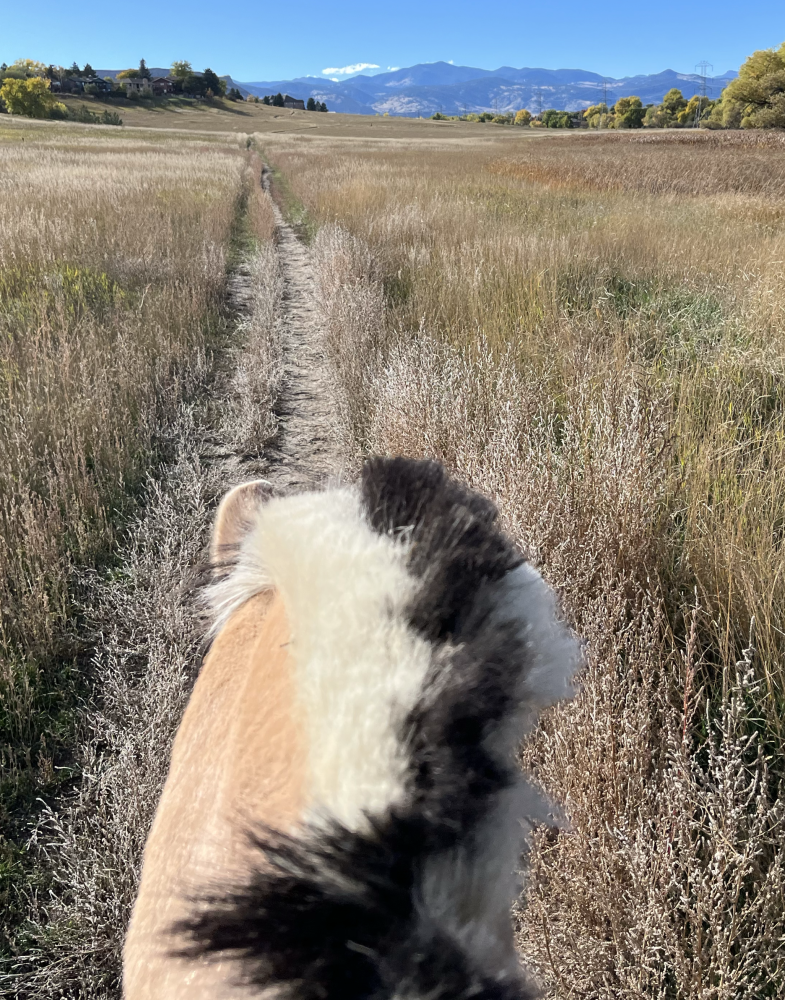
Photo by Carol von Michaelis
You don’t fix a bad habit in one session. You don’t build good habits by accident. You build them the same way every time, until they hold. Consistency in horse training matters more than clever techniques.
This is true whether you’re starting a young horse, working through mule training principles, or fixing problems that only show up on the trail.
Where Most Riders Get Stuck
This is where horses and mules become honest teachers. They don’t respond to our intentions. They respond to what we actually do. They don’t care what we meant. They care about timing and pressure, applied fairly and consistently.
That can be uncomfortable.
It’s easier to blame equipment. Easier to blame attitude. Easier to blame the animal. It’s harder to look closely at your own habits. But that’s where real horse training outside the arena begins.
I’ve seen riders chase confidence in their animals while showing none themselves. I’ve seen fear met with force and impatience met with noise. It rarely works, not because the animal is difficult, but because the approach doesn’t make sense.
The Quiet Lesson of Trail Horsemanship
The same thing happens away from the barn. People say they want calmer lives, steadier minds, and better relationships. Then they rush, react, and rehearse old stories. They wonder why nothing changes.
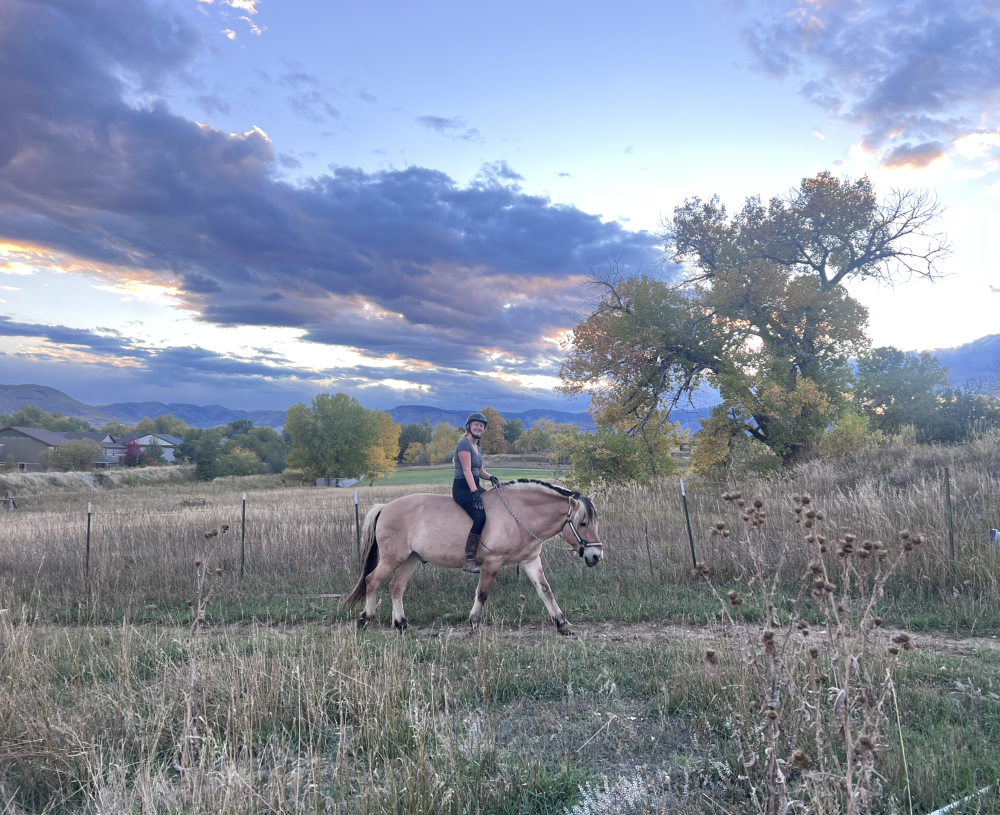
Horses don’t let us hide from that. They tell the truth every time.
Photo by Carol von Michaelis
The lesson isn’t dramatic. It’s quiet.
Improvement doesn’t come from adding more. It comes from removing what doesn’t help. Fewer mixed signals. Less emotional static. More deliberate choices.
Kind words.
Right actions.
Clear cues.
Fair timing.
These are horsemanship fundamentals that apply on the trail, in camp, and everywhere in between.
Go Deeper with TrailMeister
Whether you’re in a round pen, on a long trail, or sorting through your own rough edges, the path forward looks the same. Slow. Intentional. Built one honest moment at a time.
If you’re looking for practical horse training ideas that hold up outside the arena, start at TrailMeister.com. You’ll find trail maps, trail safety guidance, and the largest horse-camping directory in the country, all built for people who actually ride out.
If you want the deeper dive into trail riding horsemanship, preparation, and decision-making from A to Z, my books are available through Amazon and on the site:
They’re not about shortcuts or silver bullets. They’re about what works, lessons learned the hard way, and the long view that comes from miles in the saddle.